
Wellness · September 1, 2026
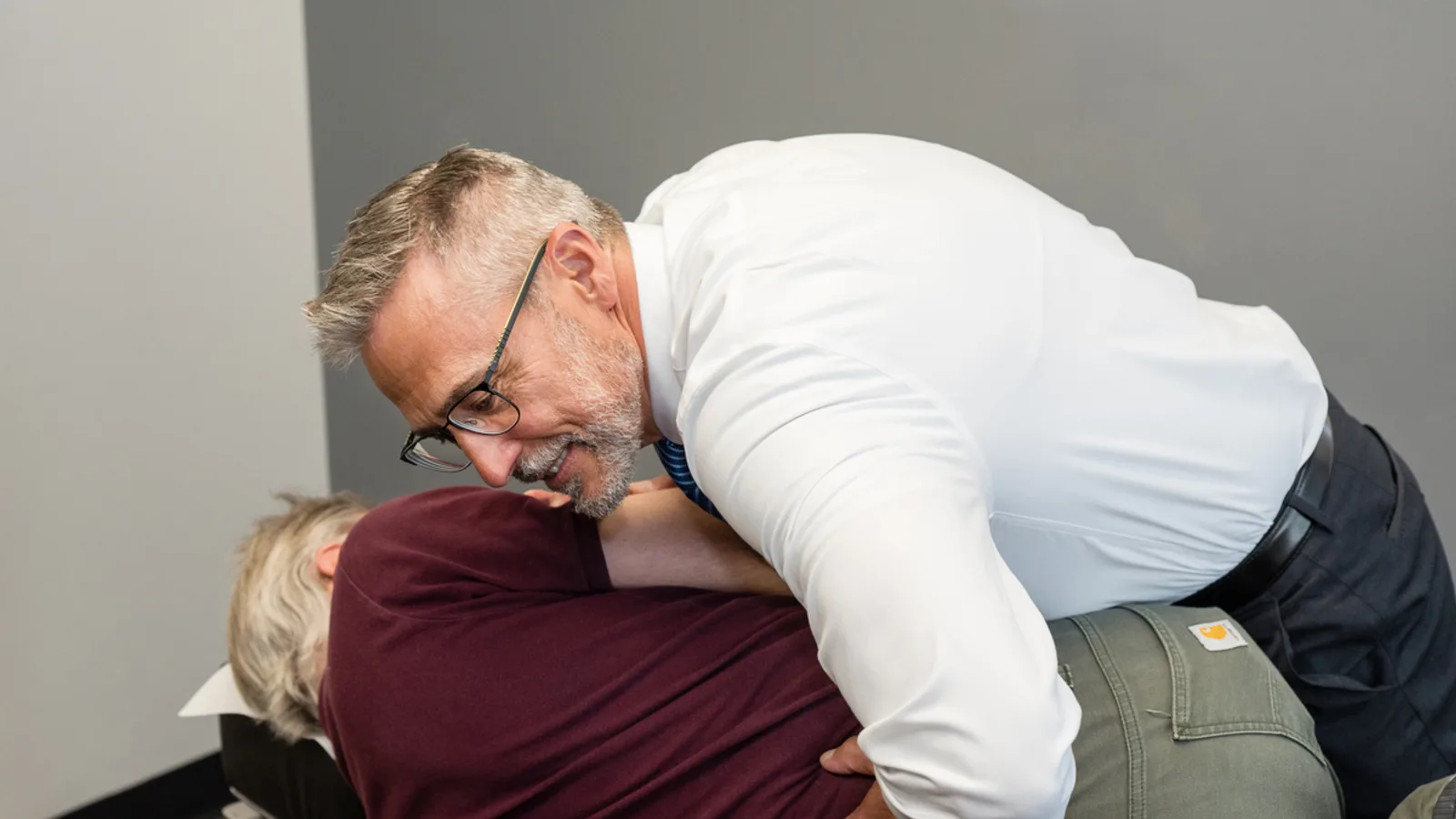
Hip pain can appear out of nowhere — one moment you're going about your normal day, and the next you're wincing with every step. Whether it crept up gradually or hit you like a wall after a morning walk, sudden hip pain is one of the most common complaints we hear from patients here in Minneapolis. It's disorienting, frustrating, and often a little scary when you don't know what's causing it. The good news is that most hip pain has identifiable, treatable causes — and understanding what's going on is the first step toward feeling better.
What Does Sudden Hip Pain Actually Mean?
Sudden hip pain refers to discomfort that appears unexpectedly in or around the hip joint, the surrounding muscles, or the nearby structures of the pelvis and lower back. It can range from a dull, nagging ache to a sharp, stabbing sensation that limits movement. In many cases, what feels like a "hip" problem is actually originating from an adjacent structure — making it all the more important to get a proper evaluation rather than guess at the cause.
Common Causes of Sudden Hip Pain
Hip pain doesn't always come with a dramatic injury. Many patients who visit Nokomis Chiropractic and Wellness in Minneapolis tell us they have no memory of doing anything unusual — they just woke up one morning and their hip hurt. Here's a look at some of the most frequent culprits.
Hip Flexor Strain or Muscle Tightness
The hip flexors are a group of muscles that run along the front of your hip and pelvis. They work constantly — whether you're walking, climbing stairs, or simply sitting at a desk. When these muscles become overworked or tight (which happens frequently in people who sit for long hours), they can strain and cause sudden, sharp pain. A tight hip flexor can also pull on the pelvis and contribute to lower back discomfort, making it feel like the pain is coming from multiple places at once.
Bursitis of the Hip
Your hip joint is surrounded by small fluid-filled sacs called bursae. Their job is to reduce friction between bones, tendons, and muscles. When these sacs become inflamed — a condition called bursitis — the result is often a sharp or burning pain on the outer part of your hip. This type of pain can flare up suddenly and tends to worsen when you lie on the affected side, climb stairs, or walk for extended periods. Hip bursitis is particularly common in runners, cyclists, and people who stand on hard floors for long workdays.
Hip Labral Tear
The labrum is a ring of cartilage that lines the rim of your hip socket, providing stability and cushioning to the joint. A labral tear can occur from repetitive motions, a fall, or even just an awkward twist during everyday activity. When this tissue is damaged, you might notice a clicking or locking sensation in the hip, along with pain that feels deep inside the joint. Labral tears are more common than many people realize and can sneak up gradually before suddenly becoming very painful.
Snapping Hip Syndrome
If your hip pain comes with an audible or felt "snap," you may be dealing with snapping hip syndrome — also known as coxa saltans. This occurs when a muscle or tendon slides over a bony prominence in the hip area. While it's often painless, it can become uncomfortable and inflamed over time. Dancers, athletes, and people who spend long hours in repetitive movement patterns tend to experience this more than others.
Hip Osteoarthritis
While osteoarthritis is typically thought of as a slow, gradual condition, many people don't notice significant symptoms until the joint degeneration reaches a certain threshold — and then it seems to appear suddenly. Arthritis in the hip joint causes the cartilage between the femoral head and the hip socket to break down, leading to stiffness, grinding sensations, and pain that's often worse first thing in the morning or after prolonged sitting. Here in Minneapolis, we see a significant number of patients in their 40s, 50s, and beyond who are surprised to learn arthritis may be a contributing factor to their discomfort.
Stress Fractures and Overuse Injuries
Stress fractures — tiny cracks in the bone caused by repetitive impact — can develop over weeks of activity and then suddenly become very painful. Runners who ramp up their training too quickly are especially susceptible. The hip, particularly the femoral neck, is a common site for these overuse-related fractures. If you've recently increased your physical activity and are experiencing deep groin or hip pain, this is worth evaluating promptly.
When the Problem Isn't Actually Your Hip
One of the most important — and often overlooked — points about hip pain is that the source isn't always where you feel it. The body is deeply interconnected, and pain has a remarkable ability to travel.
The sacroiliac (SI) joint, which connects the base of your spine to your pelvis, is a very common source of hip and buttock pain that patients often mistake for a hip joint problem. When the SI joint becomes irritated or misaligned, it can generate discomfort that radiates down into the outer hip, thigh, or even the knee.
Sciatica is another frequent culprit. The sciatic nerve runs from your lower spine down through the buttock and into the leg. When it becomes compressed or irritated — often by a disc issue or piriformis muscle tightness — the pain can settle directly in the hip area. Patients with sciatica sometimes describe it as a deep, sore, or burning sensation that feels very much like a hip problem.
Even the lower lumbar spine itself can refer pain into the hip. Misalignments or dysfunction in the lumbar vertebrae can alter how force is distributed through the pelvis and hip joints, creating pain that feels local but is actually coming from higher up. This is one of the reasons a thorough assessment — like the kind Dr. Jonathan Olson performs at Nokomis Chiropractic and Wellness — is so valuable. Treating the symptom without identifying the true source rarely leads to lasting relief.
How Chiropractic Care Fits Into Hip Pain Relief
Chiropractic care offers a non-invasive, drug-free approach to evaluating and addressing hip pain. When you come in to see Dr. Jonathan Olson at Nokomis Chiropractic and Wellness, the first priority is understanding the full picture — not just where you hurt, but why.
A thorough assessment typically includes evaluating your posture, gait, spinal alignment, and hip joint mobility. From there, a personalized care plan is developed that may include spinal and pelvic adjustments to correct misalignments that are contributing to hip dysfunction. Research published by organizations like the National Institutes of Health suggests that chiropractic adjustments can be effective in managing musculoskeletal pain, including pain that originates in or around the hip and pelvis.
Beyond adjustments, chiropractic care at our Minneapolis office often incorporates soft tissue therapies, targeted stretching recommendations, and movement guidance to address the root cause of your discomfort. The goal isn't just to relieve your pain today — it's to help your body move better and reduce the likelihood of the problem returning.
Chiropractic care is particularly well-suited for conditions like SI joint dysfunction, hip flexor strain, referred lumbar pain, and the early stages of hip osteoarthritis. For more complex structural issues, Dr. Jonathan Olson coordinates with other healthcare providers when needed, ensuring you get the most appropriate level of care.
Practical Tips for Managing Hip Discomfort
While professional evaluation is always the best first step, there are some safe, general strategies that may help ease hip discomfort between visits — or while you're deciding whether to come in.
Pay close attention to your sleeping position. Sleeping on your side without support can place significant stress on the outer hip. Try placing a firm pillow between your knees when lying on your side — this helps keep your pelvis in a more neutral position and reduces strain on the hip joint and surrounding muscles.
Prolonged sitting is one of the most common aggravators of hip pain, especially for people in desk-based jobs. Minneapolis is full of hard-working people who log long hours at computers, and tight hips are an incredibly common result. Try to stand up and move around for a few minutes every 30 to 45 minutes during your workday. Even a brief walk to the kitchen or a slow hip circle can make a meaningful difference over time.
Light movement — rather than complete rest — is generally recommended for most soft tissue hip complaints. While it's wise to avoid activities that sharply increase your pain, becoming sedentary can allow muscles to tighten further and slow your recovery. Light walking, swimming, or slow, controlled hip mobility exercises are often well-tolerated options.
Be mindful of footwear. Worn-out shoes with poor arch support can alter the mechanics of your entire lower body — including how your hips absorb impact with each step. If your shoes have seen better days, investing in proper footwear (or supportive insoles) can make a surprising difference in how your hips feel.
When to See a Chiropractor About Hip Pain
Not every twinge requires an immediate appointment, but there are clear situations where seeking professional care sooner rather than later is the right move. If your hip pain has lasted more than a few days without improvement, is interfering with your sleep or daily activities, or is getting progressively worse, it's time to get evaluated.
Pain that radiates down your leg, causes weakness, or is accompanied by numbness or tingling should be assessed promptly. These symptoms may indicate nerve involvement that benefits from early intervention. Similarly, if you experienced a fall or direct impact to the hip and are now in significant pain — especially if you notice any difficulty bearing weight — seek evaluation quickly, as this could indicate a fracture.
Certain red flags warrant a medical referral rather than chiropractic care alone. These include severe hip pain following trauma, unexplained fever accompanying the pain, significant swelling or bruising, or symptoms that suggest a vascular issue. Dr. Jonathan Olson takes a thorough and responsible approach to each patient evaluation and will always refer out when a condition falls outside the scope of conservative chiropractic care.
Hip Pain Causes at a Glance
Condition | Where You Feel It | Common Triggers | Chiropractic Role |
|---|---|---|---|
Hip Flexor Strain | Front of hip / groin | Prolonged sitting, overexertion | Soft tissue work, posture correction |
Hip Bursitis | Outer hip / side of thigh | Repetitive movement, hard surfaces | Joint mobilization, activity modification |
SI Joint Dysfunction | Lower back, buttock, outer hip | Poor posture, leg length imbalance | Pelvic adjustment, alignment correction |
Sciatica (Referred Pain) | Buttock, hip, leg | Disc issues, piriformis tightness | Lumbar adjustment, nerve decompression support |
Hip Osteoarthritis | Deep inside hip / groin | Age, wear, reduced cartilage | Supportive mobilization, movement guidance |
Labral Tear | Deep inside hip joint | Repetitive motion, awkward twist | Co-management, conservative support |
Myths vs. Facts About Hip Pain
Myth: Hip pain only affects older adults.
Fact: Hip pain is remarkably common across all age groups. Young athletes, office workers in their 30s, and even teenagers can experience hip discomfort from muscle strains, labral tears, snapping hip syndrome, and SI joint issues. Age is just one of many factors that can influence hip health.
Myth: If the pain isn't severe, it's nothing to worry about.
Fact: Pain intensity doesn't always reflect the severity of an underlying problem. A labral tear, for example, might cause only mild discomfort initially but worsen significantly if left unaddressed. Persistent, low-grade hip pain that doesn't resolve on its own is worth getting checked out.
Myth: Rest is always the best treatment for hip pain.
Fact: Complete rest can actually slow recovery in many cases. Evidence in musculoskeletal care increasingly supports active recovery — keeping the body moving while avoiding aggravating activities. Prolonged inactivity can cause muscles to stiffen and weaken, making the problem harder to resolve.
Myth: Chiropractic care is only for back pain.
Fact: Chiropractic care addresses the entire musculoskeletal system, including the hips, pelvis, knees, and shoulders. Many patients at Nokomis Chiropractic and Wellness in Minneapolis come specifically for hip-related complaints and find significant relief through a combination of adjustments, soft tissue therapy, and movement coaching.
Myth: You'll need surgery if your hip hurts badly enough.
Fact: The vast majority of hip pain cases can be managed successfully with conservative care — including chiropractic treatment, physical rehabilitation, and lifestyle modifications. Surgery is typically considered only when conservative approaches have been thoroughly explored over an adequate time period and have not provided sufficient relief.
Final Thoughts from Nokomis Chiropractic and Wellness
Sudden hip pain can feel alarming — especially when you have no clear memory of injuring yourself. But in most cases, there's a logical, treatable explanation behind it. The key is not to ignore it and hope it goes away on its own. Pain is the body's way of asking for attention, and the sooner you understand what's driving it, the sooner you can take meaningful steps toward feeling better.
Here at Nokomis Chiropractic and Wellness, Dr. Jonathan Olson has helped many Minneapolis residents work through hip pain that seemed confusing or hopeless at first. Every patient is different, and every care plan is tailored to the individual — not a one-size-fits-all approach. Whether your pain is coming from your hip joint, your sacroiliac joint, your lower back, or your muscles, a thorough chiropractic evaluation can help identify the source and chart a clear path forward.
If you're in the Minneapolis area and you've been dealing with hip pain — sudden or otherwise — we encourage you to reach out to our team. You don't have to just push through the discomfort or guess at what's wrong. Help is closer than you think, and getting answers sooner usually leads to better outcomes.
Frequently Asked Questions
Can chiropractic care help with hip bursitis?
Chiropractic care can support recovery from hip bursitis by addressing biomechanical factors that may be contributing to the inflammation — such as pelvic misalignment or gait abnormalities. While it doesn't directly treat the inflamed bursa itself, improving joint mechanics can reduce the repetitive stress that aggravates the condition.
How do I know if my hip pain is coming from my spine?
Referred pain from the lumbar spine or SI joint often feels like it's located in the hip or buttock area and may be accompanied by lower back stiffness, leg discomfort, or pain that changes with certain spinal movements. A thorough examination by a chiropractor like Dr. Jonathan Olson can help differentiate between a true hip joint problem and referred spinal pain.
Is it safe to exercise with hip pain?
In most cases, light movement is encouraged — but the type and intensity of exercise matters. Activities that dramatically increase your pain should be avoided until you've been evaluated. Your chiropractor can guide you on what movements are safe and beneficial for your specific situation.
How long does hip pain usually last?
Duration depends entirely on the cause. Minor muscle strains may resolve within a week or two with appropriate care. Conditions like bursitis, SI joint dysfunction, or hip osteoarthritis may require longer-term management. Early intervention generally leads to faster recovery times.
Can poor posture really cause hip pain?
Absolutely. Postural imbalances — especially those involving an anterior pelvic tilt or uneven weight distribution — place abnormal stress on the hip joints and surrounding muscles over time. Addressing posture is often a core component of chiropractic care for hip-related complaints.
What's the difference between hip pain and SI joint pain?
True hip joint pain typically presents deep in the groin area or at the front of the hip, while SI joint pain is usually felt in the lower back, buttock, or outer hip region. The two can feel similar and sometimes occur together, which is why professional evaluation is so helpful in determining the true source.
TL;DR
Sudden hip pain can stem from many causes — including muscle strains, bursitis, labral tears, SI joint dysfunction, and referred pain from the lower back or sciatic nerve.
Not all hip pain actually originates in the hip joint — structures like the lumbar spine and sacroiliac joint are frequent contributors to pain felt in the hip area.
Chiropractic care offers a non-invasive, individualized approach to identifying the source of hip pain and supporting recovery through adjustments, soft tissue therapy, and movement guidance.
Light movement, proper sleep positioning, and regular breaks from sitting can help manage hip discomfort while you seek professional care.
If your hip pain persists beyond a few days, is worsening, or is accompanied by numbness, weakness, or leg pain, it's time to visit Nokomis Chiropractic and Wellness in Minneapolis for a proper evaluation.